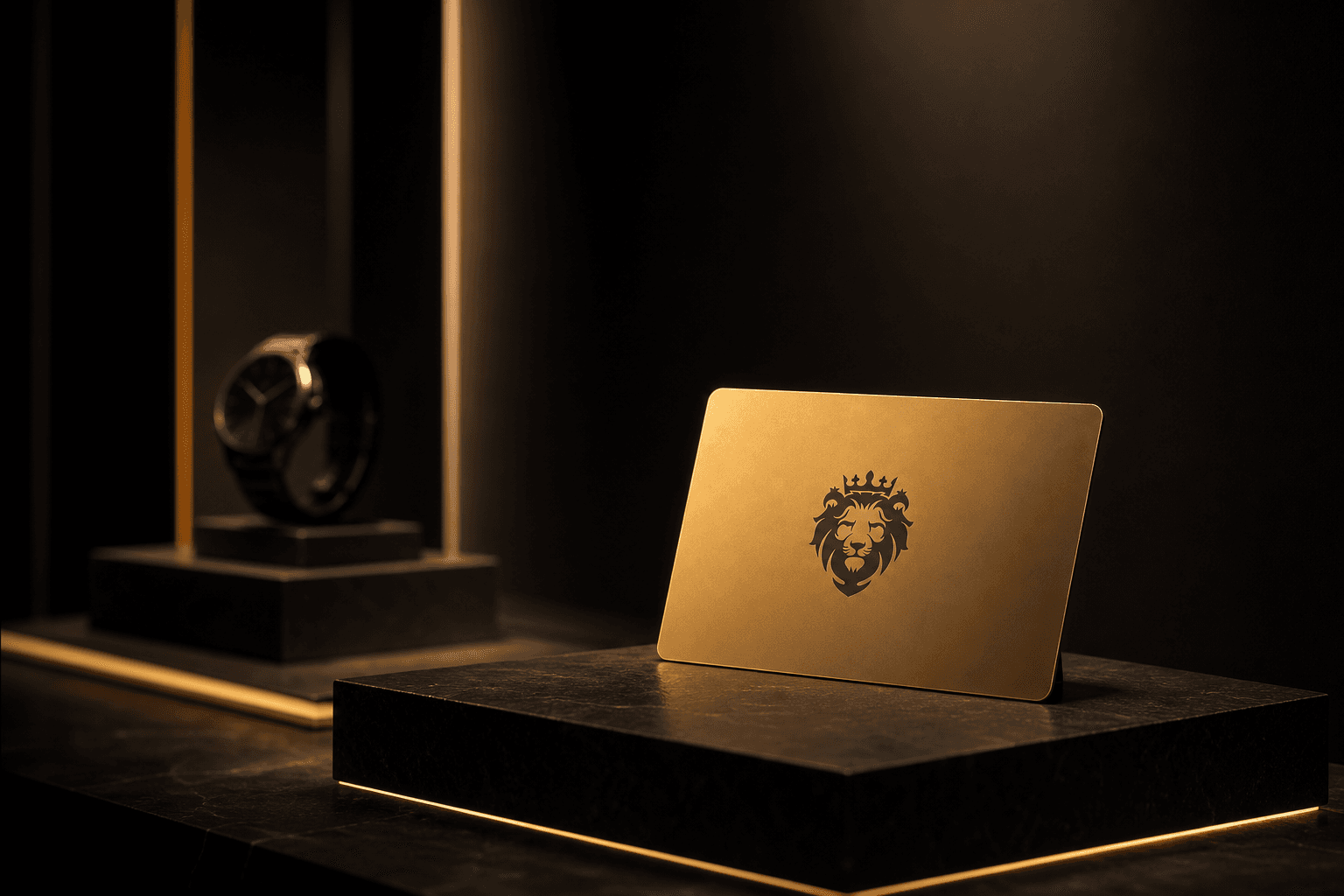

In a premium store the client doesn't decide based on price - they buy the story, the origin and the uniqueness of the product. Meanwhile a typical tag communicates only a number. It's a wasted opportunity at every display piece.
A tag informs, a tap sells
A static label ends at the price. A product with NFC starts the conversation exactly when the client is most interested - with the product in hand.
- the brand story, material, craftsmanship and origin,
- available variants, sizes and colors without hunting for staff,
- proof of authenticity and certificates of a premium product,
- a smooth transition to purchase, reservation or order.
A salesperson you don't have to call over
Not every client wants to talk to staff right away. A tap gives them full information on their own - and leaves staff time for those who are ready to buy.
In premium it isn't about selling faster. It's about the client feeling they're discovering, not being sold to.
What the brand gains
- higher conversion through better presentation at the decisive moment,
- a coherent brand narrative at every product,
- data on what draws attention in the showroom,
- a bridge between the offline experience and the online purchase.
Showroom 2.0 doesn't replace the salesperson or the online store - it connects them. Every product becomes a touchpoint that tells a story, convinces and leads to purchase with one gesture.